Most pages never earn a single link. One large analysis found that about 95% of pages have zero backlinks, which explains why so much content never ranks, even when it is good.
If you are wondering how to get backlinks, start with a simple truth: links are earned when you give someone a reason to cite you, and you make it easy to do it. That can come from a launch listing, a comparison page, a partner integration, or a genuinely useful asset.
What follows is a practical system that works for indie hackers, SaaS marketing teams, and agencies: build a few high-confidence links first, then layer in editorial links that compound over time.
How to get backlinks that Google actually counts
A backlink is a link from another website to yours. In practice, backlinks help in three ways: they get your pages discovered faster, they pass trust signals, and they can send qualified referral traffic.
Not every link is equal. A link only becomes valuable when it checks the right boxes:
- Relevance: the linking page is about the topic you want to rank for
- Trust: the site has a real audience and a clean history
- Placement: the link is visible and contextual (not hidden in a footer)
- Indexation: the linking page is crawlable and indexed
Dofollow vs nofollow backlinks
Most links are normal links by default. Some are tagged with rel attributes like nofollow, sponsored, or ugc. Google documents how these attributes are used to qualify links, and notes that links marked with these attributes will generally not be followed.
The practical takeaway:
- Dofollow-style links are typically the ones that pass the most ranking value.
- Nofollow / sponsored / UGC links can still be useful for discovery, brand visibility, and referral traffic.
- A natural link profile usually includes both, especially for startups that are actively launching in public.
The fastest way to spot a "real" link
Before chasing any backlink, answer two questions:
- Would a real person click this link and find it helpful?
- Would you be proud to show this link to a customer or investor?
If the answer is no to either, skip it.
How to evaluate backlink opportunities?
Backlink building gets easier when you stop thinking in terms of "more links" and start thinking in terms of "better sources".
Use this quick scoring model:
- Audience fit (0-2): are the readers your buyers?
- Topical match (0-2): does the page align with your category?
- Visibility (0-2): is the link in content, not buried?
- Longevity (0-2): will the page stick around for years?
- Effort-to-value (0-2): can you earn it without weeks of back-and-forth?
A perfect 10 is rare. Consistently landing 6-8 is how authority compounds.
A simple table of backlink types (and when to use them)
| Backlink type | Best for | Effort | Common pitfall |
|---|---|---|---|
| Launch directories | Early authority + indexing | Low | Submitting to dead or spammy sites |
| Niche directories | Relevance + long-tail traffic | Low | Picking broad "everything" directories |
| Resource pages | Editorial links that last | Medium | Pitching without a clear fit |
| Linkable assets | Repeatable citations | High | Building an asset nobody asked for |
| Partnerships | High trust, low risk | Medium | Trading links in an obvious way |
| Digital PR | Big authority jumps | High | Chasing press instead of proof |

How to get backlinks with directories and launch platforms
For early-stage products, directories are the most predictable source of initial backlinks. The catch is quality: good directories build trust, bad directories look like spam.
A clean directory strategy looks like this:
- 2-3 buyer-intent marketplaces (where people compare tools)
- 5-7 niche directories aligned to your category (AI tools, dev tools, design tools, etc.)
- 3-5 launch platforms that founders and early adopters actually browse
Pick directories like an investor picks companies
A directory is worth your time when it has:
- A strong domain rating (DR) relative to your niche
- Evidence of real activity (new listings, social sharing, recent updates)
- Clear categories that match your product
- A listing page that gets indexed (not hidden behind login walls)
This is where a curated database saves hours. Launch Directories focuses on directories with verified DR ratings, traffic stats, and link types, so you can prioritize the listings most likely to move your link profile.

Your "submission package" is the multiplier
Most submissions fail for boring reasons: vague positioning, inconsistent naming, missing screenshots, or copy that looks pasted across 50 sites.
Build one repeatable package:
- One-liner: problem + who + outcome
- Short description (150-200 words): fast scanning, benefits first
- Long description (300-500 words): proof points, use cases, integrations
- 3-6 screenshots: real UI states, not marketing fluff
- Category choice: pick one primary category whenever possible
- A frictionless path: demo, free plan, or a quick-start page
Once this exists, submissions become execution, not creative work.
When a done-for-you submission service makes sense
Manual submissions are simple, but they are not cheap in time. If you are shipping weekly, context switching into form-filling is one of the fastest ways to stall momentum.
A done-for-you service is worth it when:
- you have clear positioning and assets ready
- you want 30-100+ listings executed consistently
- you care about link quality and acceptance rates
- you would rather keep engineers building than copy-pasting descriptions
Launch Directories offers both a searchable directory database and a manual submission service which fits teams that want speed without cutting corners.

How to get backlinks with linkable assets and tools
Directories are a foundation. The links that really scale come from assets people cite repeatedly.
A linkable asset is anything that makes someone else's content easier to write:
- Original data (benchmarks, industry stats, teardown results)
- Free tools (calculators, generators, graders)
- Templates (checklists, Notion templates, SOPs)
- Curated lists with real filtering (not another generic "top 50" post)
The highest-leverage assets for founders
If you are a solo founder, build assets that match your production reality:
- A single-page calculator tied to your niche (pricing, ROI, time saved)
- A benchmark post with transparent methodology (even a small dataset works if it is honest)
- A curated niche directory (one category, one buyer persona, one promise)
That last one is underrated because it attracts natural citations from bloggers and communities. If shipping a directory site from scratch feels heavy, a Next.js directory boilerplate like Dirstarter can help you launch faster with payments and SEO basics already wired.
The "citable block" that earns links quietly
Add a section to your asset that people can quote:
- 3-5 bullet insights
- a simple chart or table
- a short methodology note
- a definition that is easy to paste
with 100+ Directory Listings
Skip the grind. We'll submit your product to top directories so you get real users, feedback, and lifetime backlinks without lifting a finger.
How to get backlinks with outreach that does not feel spammy
Most outreach fails because it is self-centered: "Please link to me." The outreach that works is helpful: This improves your page.
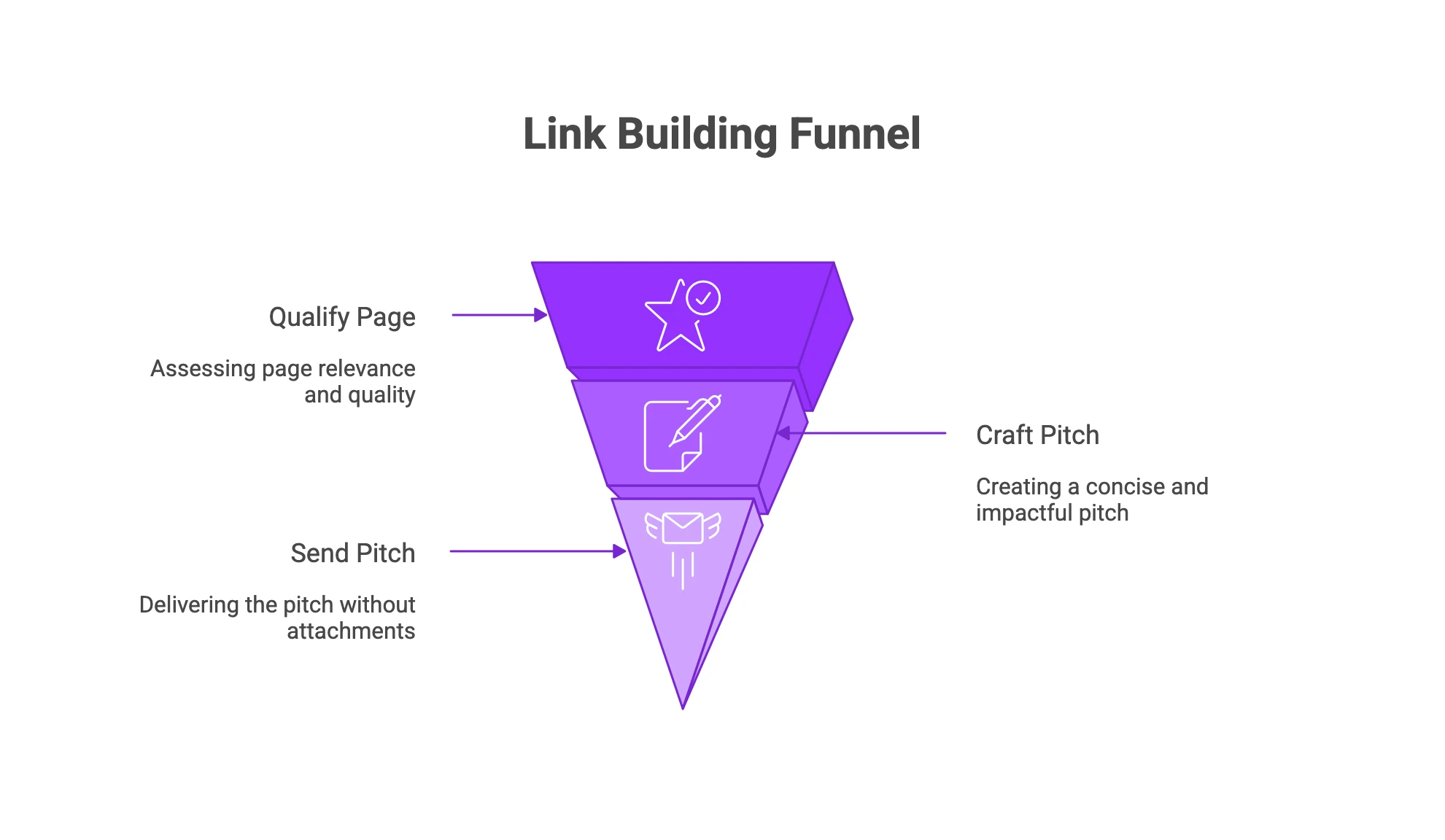
Unlinked mentions (the easiest "yes")
If people already mention your brand without linking, that is low-friction.
How it works:
- Find mentions (brand name, founder name, product name).
- Confirm it is truly unlinked.
- Ask for a link as a usability improvement (not an SEO favor).
This is one of the few outreach tactics where the request feels reasonable, because the mention is already there.
Partnerships that earn links naturally
The cleanest partnership links are not swaps. They are references.
Examples that work well for SaaS:
- integration pages (each partner lists the integration)
- implementation partners or agencies you support
- joint webinars with a recap page
- co-authored templates
If the partnership creates value for users, the link is a byproduct, not a transaction.
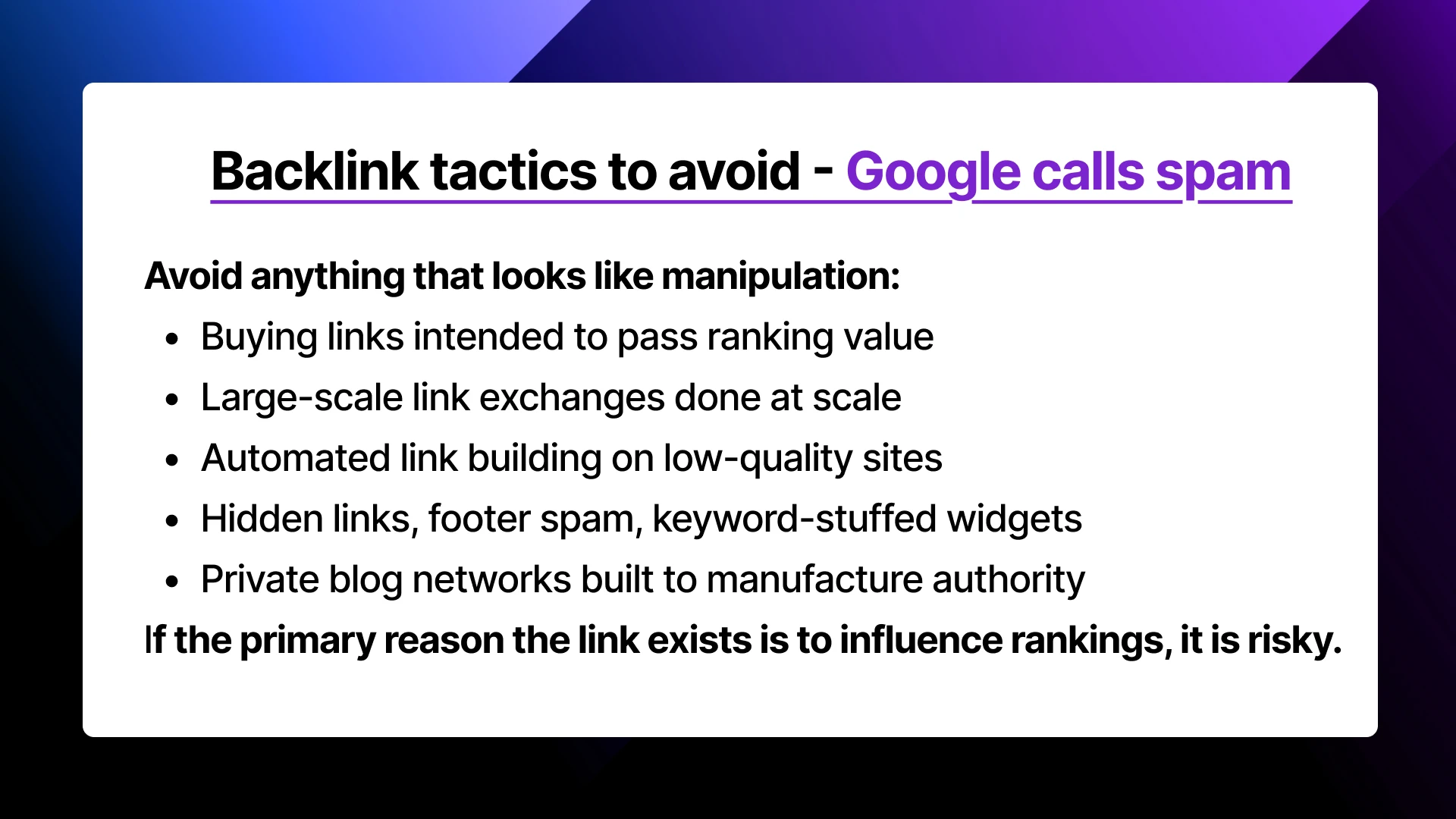
The risk is not only a penalty
Even without a manual action, low-quality links waste time because:
- They do not get indexed
- They do not send referral traffic
- They distort your link profile
- They distract from tactics that actually compound
The safest strategy is boring: earn links you would want even if Google did not exist.
How to scale backlinks without burning your team
Backlinks become scalable when you treat them like a system, not a campaign.
Set a realistic 30-day target:
- 10-20 new relevant referring domains
- 10-30 approved directory or launch listings
- 1-3 editorial mentions (resource pages, list posts, community roundups)
- Measurable referral visits from 1-2 platforms that actually send buyers
Then standardize the workflow:
- One submission package
- One spreadsheet for tracking (URL, status, link type, notes)
- One weekly outreach batch (10-20 targets)
- One linkable asset per quarter (or per month if you have bandwidth)
This is where the Launch Directories approach fits naturally: use a curated list to avoid dead platforms, execute listings consistently, then focus your human creativity on assets and partnerships.
Practical Application: a 14-day backlink sprint
Day 1-2: Baseline and targets
- Pull your current referring domains and top linked pages in Google Search Console.
- Pick 30 opportunities: 15 directories and launch platforms, 10 editorial targets, 5 partnership targets.
- Prioritize by relevance first, then authority.
Day 3-4: Build the submission package once
- Write your one-liner, short description, and long description.
- Collect screenshots and logo variants.
- Create a consistent "About" block (name, URL, categories, founder bio).
Day 5-8: Execute directory submissions
- Submit to your top 10-15 platforms first.
- Track approvals and link types.
- Fix your package if you see repeated rejections.
Day 9-11: Publish one linkable asset
- Ship a small tool, template, or benchmark page that helps your exact buyer.
- Add a citable block: bullet insights + simple table.
Day 12-14: Outreach and partnerships
- Send 15-25 highly targeted emails to resource pages and list posts.
- Follow up once, 5-7 days later, with one sentence.
- Reach out to 3-5 partners for an integration page or joint resource.
Repeat the sprint monthly. The second month is always easier than the first.
Conclusion
If you want to learn how to get backlinks without playing roulette with your domain, prioritize quality and repeatability. Start with directory and launch platform listings that are relevant and indexable, then invest in one asset worth citing and a small set of outreach targets that already link out.
Backlinks compound when you keep the system simple: consistent submissions, honest partnerships, and assets that make other creators better. If you want to move faster, a curated directory database and a manual submission service can turn "someday" into a report you can measure.
with 100+ Directory Listings
Skip the grind. We'll submit your product to top directories so you get real users, feedback, and lifetime backlinks without lifting a finger.
FAQ
How to get backlinks to a new website with zero traffic?
Start with predictable sources: relevant launch platforms, niche directories, and partner pages. Pair that with one linkable asset (template or calculator) so outreach has a reason to exist. Early wins are often faster indexing and brand visibility, not immediate rankings.
Are directory backlinks still good for SEO?
Yes, when the directories are real, relevant, and indexed. Bad directories are dead. Good directories can provide early authority signals, referral traffic, and discovery. The key is filtering: choose directories with active listings, clear categories, and a link profile that does not look spammy.
How many backlinks do you need to rank?
There is no universal number because relevance, competition, and content quality vary. What consistently matters is referring domain diversity. Large-scale studies show that pages with more referring domains tend to rank higher. Focus on earning links from different quality sites, not piling links from one place.
What is the safest way to build backlinks?
Earn links you would want even if Google did not exist: helpful tools, original data, strong partnerships, and credible mentions. Avoid anything primarily designed to manipulate rankings, like paid links meant to pass value or large-scale link exchanges, since those can violate spam policies.
Ready to build high-quality backlinks?
We'll submit your product to 100+ directories and build valuable backlinks for your SEO. Save hours of manual work so you can focus on what's important — selling and building, not submitting boring forms.